Introduction
In a progressively interconnected world, the value of academic credential evaluations can not be overemphasized. As individuals seek opportunities beyond their home countries-- be it for education, employment, or expert licensing-- the requirement for accurate and fair evaluations of their certifications becomes vital. The procedure of academic credential evaluation acts as a bridge between varying academic systems, making sure that certifications are acknowledged and valued appropriately.
This comprehensive short article will look into the complexities of making sure fairness and precision in academic credential examinations globally, exploring different aspects including methods, difficulties, and finest practices. We will likewise analyze the function of worldwide credential evaluation services, course-by-course evaluations, work experience examinations, professional viewpoint letters, and organization plan examinations in facilitating this important process.
Understanding Academic Credential Evaluation
What is Academic Credential Evaluation?
Academic credential assessment is an organized procedure that assesses the equivalency of instructional qualifications acquired in one country compared to those in another. This evaluation can considerably affect an individual's possibilities in college admissions, job placements, or professional licensing.

Why is Academic Credential Assessment Important?
The significance lies in its capability to offer clarity to employers, educational institutions, and licensing bodies regarding an applicant's certifications. By standardizing assessments throughout diverse instructional https://pastelink.net/7mb2fgms backgrounds, it lowers the risk of predispositions based on unknown educational systems while promoting fairness.
The Role of International Credential Examination Services
International credential assessment services (ICES) play an essential function by functioning as intermediaries who assess foreign educational qualifications. These organizations use skilled evaluators who are educated about various educational systems worldwide.
Benefits of Using Global Credential Examination Solutions:
- Expertise: They possess specialized understanding about various instructional systems. Credibility: Recognized examinations boost the authenticity of applicants' credentials. Comprehensive Reports: They supply comprehensive reports that overview equivalencies and recommendations customized to specific needs.
Types of Academic Credential Evaluations
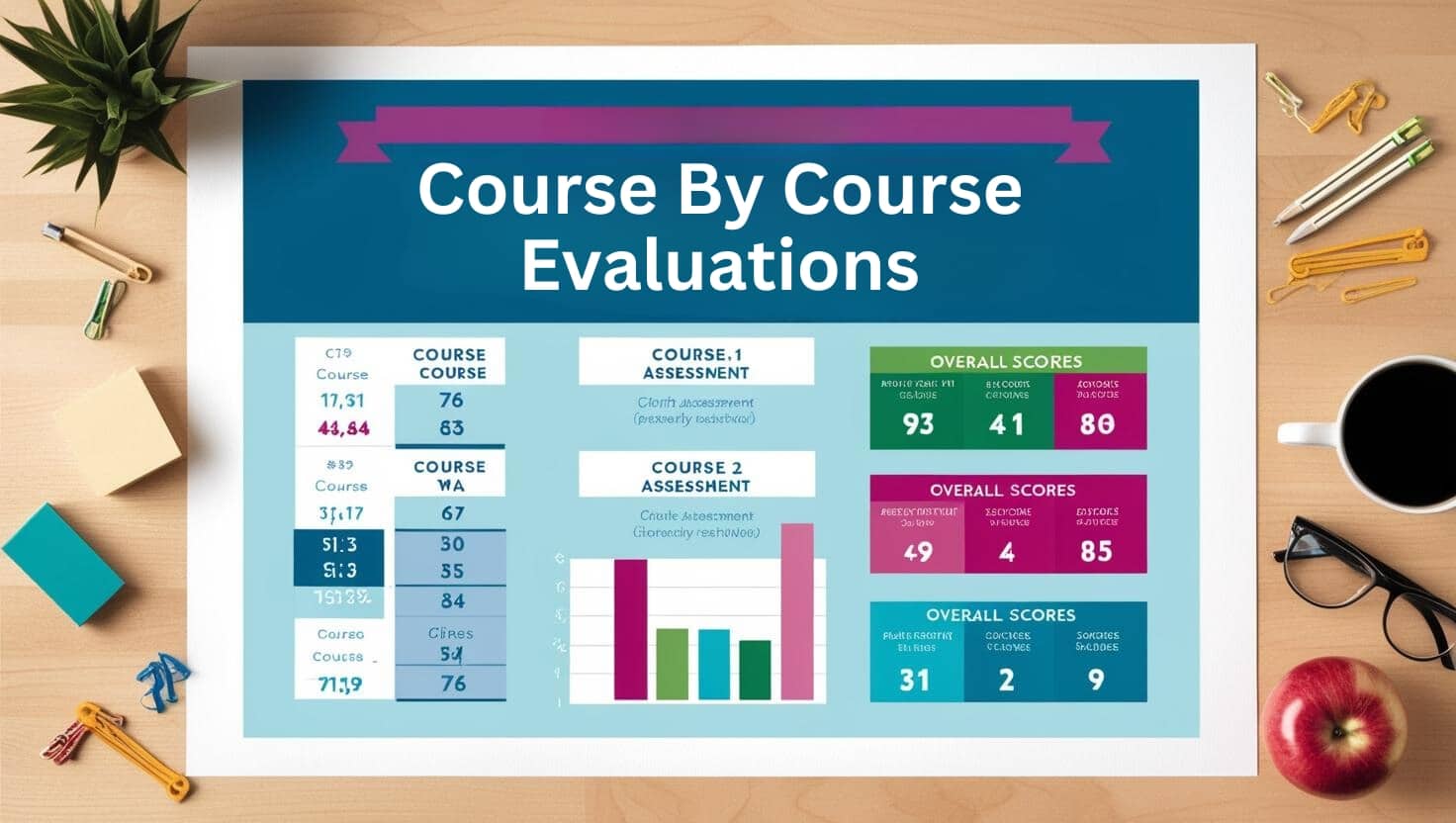
Course-by-Course Credential Evaluation
A course-by-course credential evaluation provides comprehensive analysis at the course level rather of just summing up degrees or diplomas. This type is particularly beneficial for people seeking admission to higher education institutions or those needing exact information for licensing purposes.
Key Features:
- Detailed breakdown obviously taken Grades received Credit hours transformed to equivalent systems
Work Experience Evaluation
While formal education is essential, numerous specialists possess substantial work experience that adds to their certifications. A work experience assessment evaluates this practical experience against established standards.
Importance:
- Validates skills gotten through employment Offers insights into expert readiness Can improve a person's standing when getting jobs or further education
Expert Viewpoint Letter
A specialist viewpoint letter is typically used when traditional paperwork can not be supplied. It uses insights from a certified critic relating to the validity and significance of a candidate's qualifications or experience.
Usage Circumstances:
- Unusual academic paths Non-traditional qualifications Gaps in formal education documentation
Business Plan Evaluation
For entrepreneurs wanting to expand globally or looking for financing based upon their scholastic credentials and experiences, an organization plan assessment evaluates not just the business's practicality but also how scholastic achievements support entrepreneurial endeavors.
Challenges in Academic Credential Evaluations
Variability Throughout Educational Systems
One significant obstacle depends on the fundamental distinctions between international educational systems-- what constitutes a bachelor's degree in one country might not align with another's requirements. This can result in disparities in assessments if not thoroughly managed.
Fraudulent Credentials
With the increase in demand for quick evaluations comes an increase in fraudulent documents. Critics should be vigilant against fake diplomas and records while adhering to ethical standards.
Cultural Biases
Cultural predispositions can accidentally influence evaluators' understandings of foreign credentials. It is vital for evaluators to go through training that cultivates cultural competence and awareness.
Best Practices for Ensuring Fairness
Establishing Clear Guidelines
Establishing clear standards and standardized treatments can mitigate disparities. Regulative bodies must supply frameworks that international credential examination services should follow.
Continuous Training for Evaluators
Regular training sessions focusing on updates in worldwide education systems ensure evaluators remain present with patterns and modifications affecting scholastic credentials worldwide.
Utilizing Technology
Leveraging technology such as AI-driven algorithms can enhance efficiency while also flagging possible discrepancies throughout examinations-- a vital action towards maintaining accuracy.
Ensuring Fairness and Accuracy in Academic Credential Evaluations Globally
To successfully ensure fairness and accuracy worldwide within academic credential evaluations requires collaboration amongst nations, regulatory bodies, and assessing companies. Each stakeholder plays a vital role:
By promoting open interaction channels amongst these groups, we can create a more fair landscape for all parties associated with scholastic credential assessments globally.
Emerging Patterns in Academic Credential Evaluations
Online Knowing Credentials
As online finding out gains popularity, there's a growing need for examining non-traditional learning environments such as MOOCs (Enormous Open Online Courses). Comprehending how these fit into traditional frameworks provides brand-new opportunities-- and difficulties-- for evaluators.
Micro-Credentials
Micro-credentials represent particular abilities instead of whole degrees. As markets develop quickly due to technological advancements like automation or AI integration into various sectors; understanding how micro-credentials translate into conventional credentials structures becomes pivotal.
Frequently Asked Concerns (Frequently asked questions)
What is an academic credential evaluation?- A scholastic credential assessment methodically compares foreign educational qualifications with those acknowledged domestically to make sure suitable acknowledgment throughout differing systems.
- Credentials are often required by companies or educational institutions to confirm qualifications before hiring or confessing candidates from other countries.
- The timeline varies depending on the organization however usually varies from a couple of days as much as numerous weeks based upon complexity.
- Common types consist of course-by-course examinations, work experience assessments, professional viewpoint letters, and company plan evaluations.
- Most reliable examining firms have procedures for appeals if you believe your evaluation was incorrect; it's necessary first to examine their specific guidelines.
- Yes! Lots of respectable companies evaluate online courses; however; it depends upon each institution's policies relating to approval criteria for online learning experiences.
Conclusion
In conclusion, making sure fairness and precision in scholastic credential examinations globally is not simply a bureaucratic need; it's fundamental for developing trust throughout borders while empowering individuals pursuing chances worldwide through confirmed achievements. By addressing challenges head-on with robust practices tailored towards evolving landscapes-- like technological shifts-- we stand poised not simply to recognize benefit but champion equality among varied populations striving towards shared goals across our international society!